
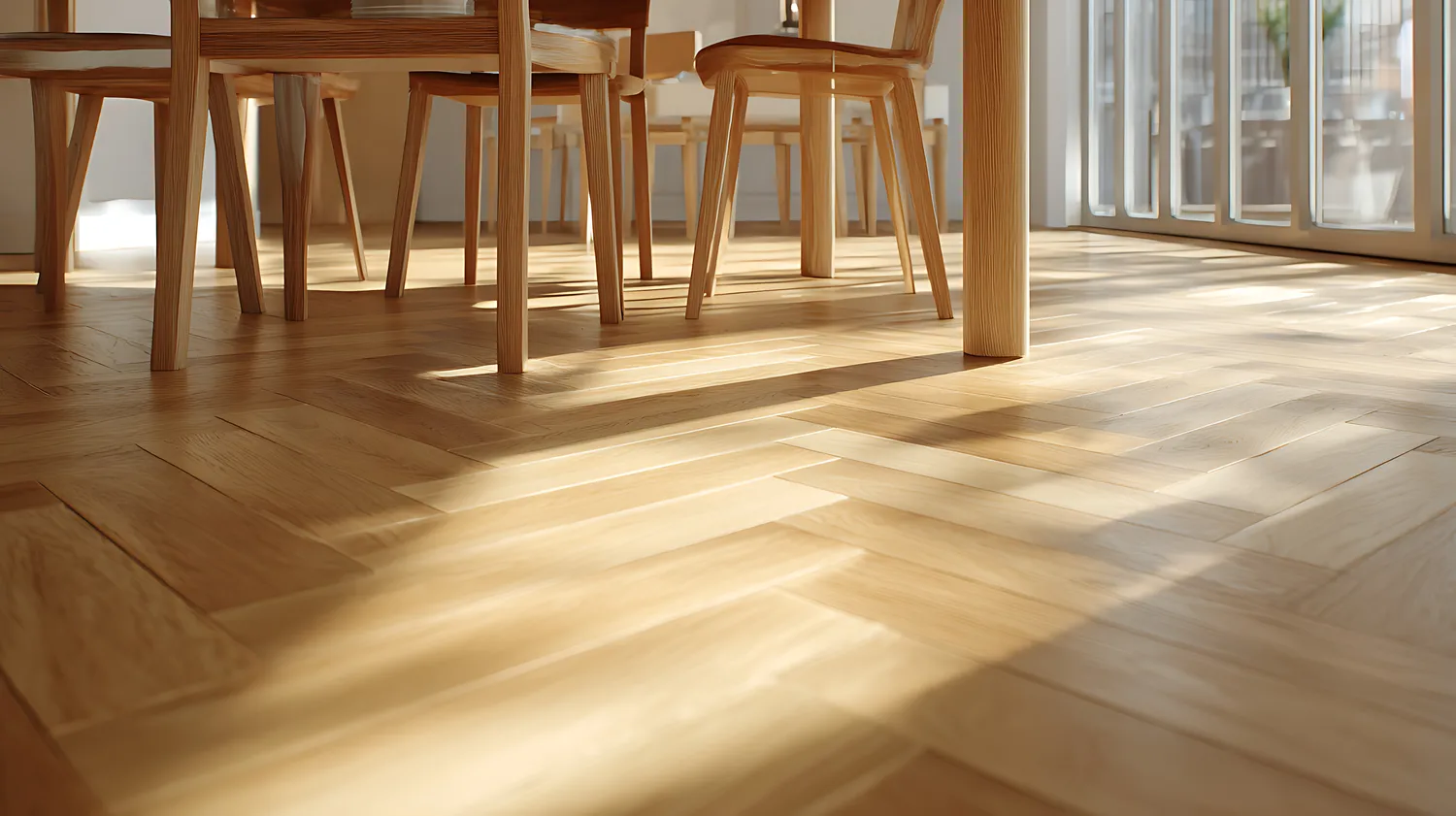
Hardwood flooring is one of the most timeless and elegant choices for any home.
It adds warmth, value, and natural beauty that few other flooring materials can match.
But one question we hear all the time from homeowners is:
“Is hardwood floor waterproof?”
The short answer is no — traditional hardwood flooring is not completely waterproof.
However, with proper installation, maintenance, and professional care, hardwood floors can remain beautiful and durable for decades, even in busy households.
Understanding how moisture affects hardwood flooring is essential if you want to protect your investment and avoid costly damage in the future.
Why Hardwood and Water Don’t Naturally Mix
Hardwood is a natural material, which means it reacts to changes in moisture and humidity.
When exposed to excess water, wood can expand, warp, stain, or even crack over time.
Spills that are left untreated, plumbing leaks, or high humidity levels can all lead to serious flooring issues.
This doesn’t mean hardwood is fragile — far from it. Properly treated and professionally installed hardwood floors are incredibly resilient.
The key difference is knowing how to protect them correctly.
Many homeowners assume that modern finishes make hardwood fully waterproof, but in reality, finishes only provide temporary surface protection.
Water that seeps into seams or underneath the planks can still cause hidden damage.
That’s why professional installation and maintenance matter so much.
The Difference Between Water-Resistant and Waterproof
Today, many flooring products are marketed as “water-resistant.”
While this can offer better short-term protection against spills, it is not the same as being waterproof.
Water-resistant hardwood can tolerate minor moisture exposure for a limited time.
Waterproof flooring, on the other hand, is designed to block water penetration entirely — something traditional solid hardwood simply was not built to do.
Engineered hardwood options often perform better in areas with fluctuating humidity because of their layered construction.
Still, even engineered products benefit greatly from expert installation and sealing techniques.
Without professional guidance, homeowners may choose the wrong type of flooring for their lifestyle or environment, leading to unnecessary repairs later.
How Professionals Help Protect Hardwood Floors
One of the biggest mistakes homeowners make is treating hardwood flooring like a DIY project.
Small installation errors can create gaps, uneven surfaces, or moisture vulnerabilities that become major problems over time.
Professional flooring specialists understand how to prepare subfloors, manage moisture levels, and select the right materials for each space.
These details make a huge difference in the long-term performance of hardwood floors.
Professionals also use advanced sealing and finishing methods that help increase resistance to moisture, scratches, and daily wear.
In addition, regular professional maintenance can extend the life of hardwood floors significantly while preserving their original appearance.
If damage does occur, early intervention from experienced flooring experts can often save homeowners from complete floor replacement.
Is Hardwood Flooring Still Worth It?
Absolutely.
Despite not being fully waterproof, hardwood flooring remains one of the most desirable flooring options available.
Its durability, natural elegance, and ability to increase property value continue to make it a favorite among homeowners.
The secret is proper care — and partnering with experienced professionals who know how to install, protect, and maintain hardwood flooring the right way.
When professionally handled, hardwood floors can withstand everyday life beautifully while maintaining the timeless character that makes them such a valuable feature in any home.